Project Management Quality
Assurance: A Guide

Learn about quality assurance in project management. Discover quality assurance planning, processes, tools, and best practices to ensure project success.


Table of Contents
Share This Article
The Quality Assurance Guide for Project Management is a resource that provides guidelines and best practices for quality assurance within the project management context. It covers topics such as quality assurance planning, quality assurance during project execution, and quality assurance after project completion. The guide is intended to help project managers ensure that their projects are delivered with the highest possible level of quality.
The guide begins with an overview of quality assurance and its importance in project management. It then provides guidance on how to plan for quality assurance, including setting quality objectives and creating a quality assurance plan. During project execution, the guide covers topics such as monitoring and controlling project quality, conducting audits, and managing changes. Finally, the guide provides advice on how to close out a project and ensure that quality objectives have been met.
In addition to these practices, project managers seeking to enhance their expertise in Microsoft's project management tools can benefit from the MS Project Certification. This course offers in-depth training on Microsoft Project, focusing on how to effectively use the software to manage projects, track progress, and maintain project quality from initiation through completion.
What is quality assurance?
Quality assurance is the implementation of policies, procedures, and methods to ensure that all products and services meet the highest standards of quality. It is also a process by which an organization can ensure that its products and services meet the quality requirements of its customers.
The main purpose of quality assurance is to prevent defects from occurring in products and services. Quality assurance also helps to identify and correct defects that have already occurred. QA processes are designed to ensure that all product development activities take into account quality considerations.
Quality assurance can be divided into two main categories: preventative quality assurance and corrective quality assurance.
Preventative quality assurance measures are designed to prevent defects from occurring in the first place. These measures include things like developing product specifications that take into account quality requirements, designing test plans that identify potential problems early on, and implementing process controls to ensure that products are manufactured according to specifications.
Corrective quality assurance measures are designed to identify and correct defects that have already occurred. These measures include things like conducting inspections and audits, testing products and services, and implementing corrective action plans to address identified problems.
What is a quality assurance plan?
A quality assurance plan is a document that outlines the procedures and processes that will be followed to ensure the quality of a product or service. The plan should identify the resources that will be required, the methods that will be used to monitor quality, and the criteria that will be used to assess quality. The quality assurance plan should be designed to meet the specific needs of the organization and the products or services that it provides.
The quality assurance plan should be reviewed and updated on a regular basis to ensure that it remains relevant and effective. The plan should be reviewed in the event of changes to the product or service, changes to the organizational structure, or changes to the environment in which the product or service is used. Reviewing the quality assurance plan can help to identify new or revised procedures that may be needed to maintain the quality of the product or service.
What are the benefits of quality assurance?

There are many benefits of quality assurance, but some of the most important ones include reducing costs, improving efficiency, and ensuring customer satisfaction.
One of the main benefits of quality assurance is that it can help reduce costs. This is because when errors or defects are found early on in the production process, they can be fixed before they cause more expensive problems further down the line. In addition, quality assurance can help improve efficiency by ensuring that processes are followed correctly and identifying areas where improvements can be made.
Finally, customer satisfaction is another key benefit of quality assurance. This is because when products or services meet or exceed customer expectations, they are more likely to come back and use the company again in the future. In addition, customers who are happy with a company's products or services are also more likely to recommend it to others.
Overall, quality assurance can provide many benefits to both companies and customers alike. By reducing costs, improving efficiency, and ensuring customer satisfaction, quality assurance helps to create a win-win situation for everyone involved
Quality Assurance in Project Management?
Quality assurance (QA) is a process or set of procedures intended to ensure that a product or service meets specified requirements. Quality assurance is often used in manufacturing industries to control the quality of products being produced. However, it can also be applied to services, software development, and other processes.
Project management is the application of knowledge, skills, tools, and techniques to project activities to meet project requirements. It has been practiced for thousands of years, but the formal discipline of project management only emerged in the early 20th century.
The two disciplines of quality assurance and project management are closely related. Quality assurance helps to ensure that projects are completed successfully and meet the needs of the customer or client. Project management helps to ensure that quality assurance procedures are followed and that quality standards are met.
There are many different ways to approach quality assurance in project management. One common approach is to create a quality assurance plan. This plan outlines the steps that will be taken to ensure quality throughout the project lifecycle. The quality assurance plan should be tailored to the specific needs of the project.
Another common approach to quality assurance in project management is to create a quality control plan. This plan outlines the procedures that will be used to monitor and control quality throughout the project lifecycle. Both quality assurance and quality control are important aspects of project management. By planning for quality, projects are more likely to be completed successfully and meet the needs of the customer or client.
The role of quality assurance
Quality assurance (QA) is a process or set of processes used to measure and assure the quality of products or services. Quality assurance is often used in manufacturing industries to control input and output, as well as in service industries to monitor performance. QA can be applied to anything from software development to manufacturing processes.
There are many benefits to implementing quality assurance, including:
- Reduced costs: By catching errors and defects early, businesses can avoid the costly process of reworking products or services.
- Increased customer satisfaction: By ensuring that products and services meet or exceed customer expectations, businesses can build a loyal customer base.
- Improved efficiency: By streamlining processes and ensuring that they are effective, businesses can save time and money.
- Greater competitiveness: By consistently delivering high-quality products and services, businesses can gain a competitive edge in the marketplace.
While there are many benefits to quality assurance, it is important to note that it is not a panacea. Quality assurance should be seen as one part of a larger quality management system. When implemented properly, quality assurance can be a powerful tool for ensuring the success of your business.
The quality assurance process
The quality assurance process begins with planning. The organization must first identify the quality requirements that the product or service must meet. Once these requirements are known, the organization can develop a plan for ensuring that they are met. The plan will detail the specific steps that need to be taken in order to ensure quality.
After the planning stage, the quality assurance process moves on to the control stage. In this stage, the organization implements the plan and monitors the product or service to ensure that it meets the quality requirements. If any problems are found, they must be corrected.
Finally, the quality assurance process ends with an assessment. In this stage, the organization evaluates the product or service to determine whether it meets the quality requirements. This evaluation may be done through testing, inspections, or other methods. If the product or service does not meet the quality requirements, the organization may take corrective action to improve it.
The quality assurance process overview
As a quality assurance engineer, it is important to have a strong understanding of the software development process. This will allow you to effectively identify and track issues throughout the project lifecycle.
The quality assurance process typically begins with identifying customer requirements. These requirements are then used to create test cases, which are used to verify that the software meets the required standards.
During the development process, quality assurance engineers work closely with developers to ensure that all code changes are properly tested. Once the software is released, quality assurance engineers typically perform post-release testing to identify any issues that may have been missed during the development process.
The quality assurance process is an important part of ensuring that software meets the highest standards. By working closely with developers and performing regular testing, quality assurance engineers can help to ensure that software is of the highest quality.
The quality assurance process steps
- The first step in the quality assurance process is to develop a plan. This plan should detail how you will ensure that your product or service meets the necessary quality standards.
- The next step is to implement your plan. This may involve putting together a team of quality control experts, developing testing procedures, and establishing Quality Control departments within your organization.
- Once your plan is in place, you will need to monitor its effectiveness. This can be done through regular quality audits, which should be conducted by independent third parties.
- If any problems are identified during the audit process, corrective action must be taken immediately to prevent them from occurring again in the future.
- Finally, you will need to constantly review your quality assurance process to ensure that it is still effective and up-to-date. This will help you to identify any potential improvements that could be made.
The quality assurance process tools
There are various quality assurance process tools available to help ensure the quality of products and services. Some of these tools include quality control charts, statistical process control, and Six Sigma.
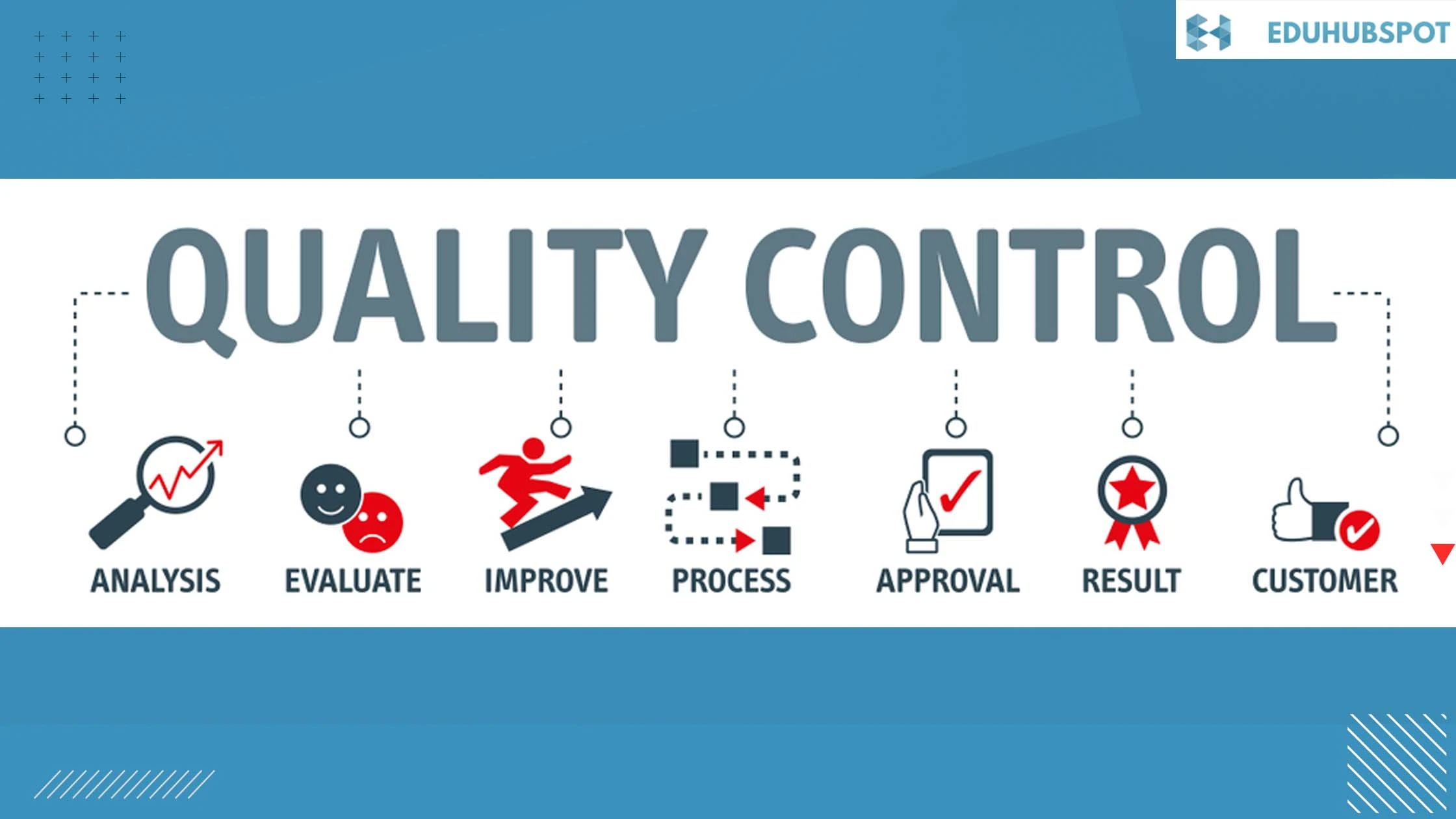
Quality control charts are used to monitor and control processes. They help identify when a process is out of control and need to be adjusted. Statistical process control is used to monitor processes and identify trends. Six Sigma is a process improvement methodology that helps businesses improve their processes and achieve better results.
Each of these quality assurance process tools has its own advantages and disadvantages. Quality control charts are easy to use but can be time-consuming. Statistical process control can be used to identify trends but can be complex to understand. Six Sigma is a powerful process improvement methodology but can be expensive to implement.
Which quality assurance process tool is best for your business will depend on your specific needs and objectives. If you are looking for a simple way to monitor and control processes, quality control charts may be the best option. If you want to identify trends and improve processes, statistical process control or Six Sigma may be better choices.
No matter which quality assurance process tool you choose, the important thing is to use it to improve your processes and achieve better results. Implementing a quality assurance process can help you increase customer satisfaction, reduce costs, and improve efficiency. By taking the time to select the right quality assurance process tool for your business, you can ensure that you are making the best possible use of your resources.
Tips for quality assurance
- Quality assurance is all about preventing mistakes and ensuring that products or services meet standards.
- To be effective, quality assurance must be built into every stage of the production process, from design to delivery.
- Quality assurance can be a costly endeavor, but the long-term savings from avoiding defects and customer complaints typically outweigh the upfront costs.
- There are many different approaches to quality assurance, but some common methods include inspections, testing, and audits.
- Properly implemented quality assurance can improve efficiency, reduce waste, and boost customer satisfaction.
- Quality assurance is an important part of any business, but it's especially critical in industries where safety is a concern, such as manufacturing or healthcare.
- Implementing a quality assurance program can be challenging, but there are many resources available to help businesses get started.
- Quality assurance is an ongoing process, and it's important to regularly review and update procedures to ensure they're still effective.
- Quality assurance is a vital part of any business, but it's especially important in industries where safety is a concern.
- Properly implemented quality assurance can improve efficiency, reduce waste, and boost customer satisfaction.
Conclusion
It is important to have a quality assurance process in place in order to ensure that your project is successful. Quality assurance can be defined as a set of activities that are designed to ensure the quality of the final product or service. These activities can include things like testing, inspections, and reviews.
The quality assurance process is an important part of project management and should be included in the project plan. The process should be tailored to the specific needs of the project and the company. It is important to have a clear understanding of what quality assurance is and how it can be used to improve the quality of your project.
Explore Our Latest
Insights

Stay updated with our recent blog posts.
Explore Our
Course Gallery

Discover a diverse range of courses designed to elevate your skills and knowledge.

