Using Gamification in Project Management:
Trends and Best Practices

Learn about using gamification in project management to boost engagement, productivity, and collaboration. Discover trends and best practices.


Table of Contents
Share This Article
Project management is a field that requires maintaining a high level of engagement, productivity, and cooperation between team members. This is where using gamification in project management comes into the frame. It refers to the application of game mechanics in a non-game environment.
Gamification was inspired by gaming principles but developed independently as a behavioral strategy for engagement in non-game environments (like education, business, and HR) — not restricting to the gaming industry. The project managers can increase motivation and boost engagement by introducing game-like elements to the workflow.
This blog will cover the idea of using gamification in project management, discussing important trends and practices to incorporate it for project success.
Gamification in Project Management Overview
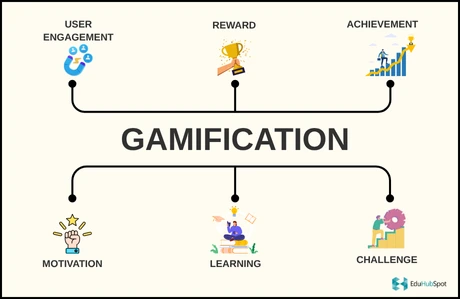
This refers to a practice of incorporating game-like mechanics in a non-gaming environment like the workplace or project management tasks. Using gamification in project management can improve team and individual performance. This lets team members align with their project goals and increase their ability to solve problems.
This practice involves elements like points, levels, badges, rewards, and more in project workflows. The project managers can take on the role of leadership and team building by applying the principles of gamification in project management. The aim is to keep members encouraged and boost performance with fun elements of gamification.
Using Gamification in Project Management: What's the Role?
Better Project Monitoring
When project managers use gamification in project management, this makes the complex task of monitoring progress on projects easy. The project managers can track individual and team performance using dashboards, leaderboards and live data visuals. This can be an excellent way to keep team members on the same page and helps in the quick identification of delays.
More Engagement
Using gamification in project management can add enjoyment to the work, making employees manage project complexity and be productive. In agile environments, scrum masters increasingly leverage gamification to enhance team engagement and performance. By integrating game-like elements into project management tools like Jira or Trello, teams get motivated to improve metrics like sprint velocity or backlog grooming participation.
According to some gamification surveys, organizations have seen up to a 50% increase in engagement — but results vary based on implementation.
Improved Collaboration
Gamification in project management can promote team collaboration and encourage members to work collectively to achieve project goals. Games require collaboration and teamwork, and the same rule applies to the fundamentals of project management. The team members can gain rewards and achieve higher levels by using gamification in project management.
Polishing Skills
Gamification gives an opportunity to continue learning and improve skills when working on a project. Employees can earn badges or points for participating in training, attending workshops and learning new skills. This motivates team members to invest in their professional and personal improvement, contributing to the success of the project.
Trends for Using Gamification in Project Management
Integration in Project Management Tools
You can see many project management tools like Asana and Monday.com are integrating gaming elements into their platforms. These tools offer achievements, badges and progress levels for your performance. This allows project managers to incorporate gamification in their project management processes without making an entirely new system
Data-Driven Gamification
Project managers are continuously using data to make different gamification strategies based on individual preference and group dynamics. This data analysis helps project managers to understand performance metrics, engagement patterns and overall progress of the team members. Using gamification in project management, managers can give a more personalized experience to the team and promote motivation.
Mobile Gamification for Remote Teams
With mobile gamification, members working remotely can engage in gamified tasks and monitor their progress from anywhere. They can take part in real-time challenges and receive instant feedback using mobile apps. This mobile flexibility lets teams have a collaborative work experience with other team members working from different corners.
Adding Social Features
Project management is shifting towards an interactive and social model. This is happening because teams are becoming increasingly interconnected, and features like social media are getting popular in different project management platforms. Leaderboards and social sharing of achievements and badges can let team members stay connected. These social elements can encourage cooperation and friendly competition to boost team motivation.
Microlearning With Gamification
Gamification facilitates microlearning in project management, which is a method of delivering short and digestible learning courses. The team members can finish them in a minimal time. Gamification adds elements like earning points, unlocking new levels after completing a course, and more. This ensures continuous skill improvement among team members, and they will be able to perform better in project tasks.
Go through PMP Exam Questions And Answers when preparing for PMP certifications and excel as the top project manager in your organization.
Best Practices for Gamification in Project Management
Focus on Creating Healthy Competition
Gamification is often associated with competition but project managers must ensure to keep the competitive environment healthy. The focus must be on collaboration and achievement instead of individual achievements.
Make it Fun and Meaningful
Fun is an important component in gaming but it should not overshadow the primary objectives of the project. The gamification mechanics must inspire desired behavior that includes cooperation, time management and skill development. Project managers must ensure that employees must value their work, more than earning badges and rewards.
Keep Gamification Aligned to Project Objectives
The purpose of gamification is to boost the project's success and not to distract the members. This is why managers must ensure that game rules are aligned to the goals of the project.
Monitor Progress and Adjust as Necessary
The project managers must keep track on using gamification in project management, like any other initiative. They must track the effects of gamification on the team's performance and engagement. A best way can be collecting feedback from the team to find out what's working great and what gamification aspects need improvements.
Conclusion
Using gamification in project management can turn out to be a powerful tool for promoting collaboration and motivation among the team members. By embedding gamification within team development and communication strategies, project managers can strengthen engagement, collaboration, and alignment with project goals. With changing trends, more businesses are embracing the concept of gamification and it is becoming an essential element in project management.
With the budding gamification field, keeping up with trends and best practices ensures that your team is focused and motivated for the process success.
Frequently Asked Questions (FAQs)
Can gamification work for remote teams?
Yes. Using gamification in project management for remote teams allows members to track their progress, win rewards and ensure engagement from any location.
What are some common examples of gamification in project management?
This is a popular way in project management for earning points on completing tasks, gaining badges to mark milestones, participating in friendly competition, and more.
Is there any risk with gamification in project management?
Gamification increases team engagement but this is not without risk factors like unhealthy competition, disengagement from employees, non-competitive members and a focus on rewards more than collaboration.
Explore Our Latest
Insights

Stay updated with our recent blog posts.
Explore Our
Course Gallery

Discover a diverse range of courses designed to elevate your skills and knowledge.

