Master Project Management: Build a
Winning Communication Plan for Clarity

Learn how to create an effective project management communication plan that eliminates chaos, boosts collaboration, and keeps your projects running smoothly. Discover strategies for clear communication in project management.


Table of Contents
Share This Article

Did you know one of every five projects is unsuccessful due to an ineffective project management communication plan? In a project where team members are out of sync, stakeholders are left in the dark, and deadlines are missed because no one knows what is happening. Confusion, delays, and frustrations become inevitable without a clear communication plan.
This is where an organized project management communication plan ensures everyone stays informed, aligned, and on track. Good communication not only speeds up productivity but also builds confidence among team members and stakeholders.
This blog will guide you through creating a communication plan that eliminates chaos, boosts collaboration, and keeps your projects running smoothly. To overcome the challenges you can encounter while developing an effective project management communication plan, consider exploring the detailed preparation for PMP Certifications. These certifications can guide you in setting clear communication goals tailored to your project.
Common Communication Failures in Project
Without any proper communication plan, projects end up becoming a spectacle. Among many, here are some common errors:
Information Overload
Too many updates and details overload your team members, which hurts their work performance. Effective communication strategies help them select and rank important information before sharing it with others.
Misaligned Goals
Projects fail when different team members and stakeholders have different ideas about what should be done. When we follow a project management communication plan, everyone stays informed and focused on what needs to be done.
Absence of Centralized Communication Channels
If people rely on separate channels for updates, key information often falls through the cracks between messages in email, text, and face-to-face talks. A single plan for managing communication brings everyone together by organizing all communication channels in one place.
Understand this by an example of a software development team who is struggling to meet their deadline. The failure of the project management communication plan made the lead designer and developer see the project goals differently. This situation led to the delay and a lot of rework.
Therefore, it is essential to understand these pitfalls and adopt a robust communication plan. This will help the team eliminate the chaos and foster smooth collaboration in project management.
Role of leadership and team building activities in driving project success.
What is a Project Management Communication Plan and Why Does it Work?
The project management communication plan is a strategic framework that describes how information is moving through a project. It outlines how the communication is to be done, including methods, channels, frequency, and responsibilities, so that everyone is aware and on the same page throughout the project life cycle.
A clear project management communication plan will help teams avoid confusion, minimize miscommunication, and stay on track with shared objectives. Besides the transparency that it brings, this structured approach also makes it easier for stakeholders, team members, and clients to exchange critical information.

A good communication management plan lists the key players, their particular information needs, and the most effective ways to pass on updates. Project communication management builds trust, promotes collaboration, and helps you complete projects successfully.
Steps to Develop an Effective Communication Strategy
A project management communication plan helps maintain a smooth and consistent flow of information to all stakeholders and helps everyone stay on the same page. Here is how you can develop a successful project management communication plan:
Identify Stakeholders
The first step is to map out all of your internal and external stakeholders. Find out what their roles, interests, and what they would prefer to communicate with you. This step makes sure your communication is in place to meet everyone's needs.
Set Communication Goals
Set clear objectives for your communication efforts. Your communication management plan should be about informing and aligning everyone, whether it's updating stakeholders, clarifying tasks, or resolving issues.
Find out the Communication Methods and Channels
Find what communication tools for project managers work best for your project, whether it's emails, Slack, Trello, etc. Effective project communication management depends on these platforms to share information.
Roles and Responsibilities Should be Defined
Establish clear ownership of communication tasks. For example, if you're a project manager, you can be responsible for stakeholder updates, and team leads will be accountable for task-specific discussions.
Set up a Communication Schedule
Put together consistent scheduling for updates through daily check-ins, weekly reporting, and milestone reviews. Establish standard formats for progress reports or communications through virtual meetings.
Monitor and Adjust
Evaluate the effectiveness of your communication management plan regularly. Get feedback, see gaps, and adjust the plan to meet changing project needs.
These steps will allow you to create a project management communication plan that turns chaos potential into clarity and project success.
What is organizational behavior management?
Key Elements of a Project Communication Plan
Breaking down the essential elements in creating a project management communication plan makes it easier to manage. Let's look at these elements and how they unite to keep your project moving in the right direction.
Objectives
The first thing is to define what you want to achieve. Are you streamlining updates, informing your stakeholders, or aligning your team's efforts? According to Forbes, the leading cause of project failure is poor communication, which can be prevented with clear objectives.
Audience
Who needs the information? Internal teams? External stakeholders? The right audience is everything. It's not relevant to tell a developer about investor timelines. When you know who your audience is then, communication becomes more personal and saves time.
Messages
What are you communicating? Progress reports? Milestone updates? Risks? Keep it simple. According to studies, around 72% of business leaders claim that a communication plan with an effective messaging strategy improves their team's productivity.
Channels
How will you communicate? Use Slack for instant updates and video calls for brainstorming. Use project management software to improve communication.
Timing
Have daily check-ins, weekly progress reports, or milestone updates. Regularity ensures no one is left in the dark.
Feedback
Sharing is not the only part of communication; listening is, too. Surveys, one-on-one meetings, or brainstorming sessions are good ways to encourage feedback. Trust and innovation go hand in hand on this two-way street.
Common Challenges in Implementing a Project Management Communication Plan and Solutions to Overcome Them
As with any project management communication plan, there are challenges to implementing it. With varying methods, any of the following barriers can be converted into opportunities for improvement.
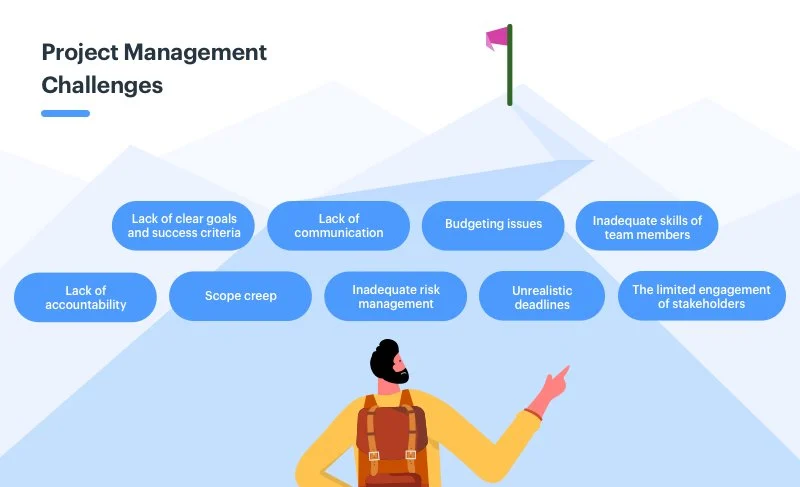
Problem 1: Resistance to Adopt New Communication Tools for Project Managers or Processes
When introducing a new project management communication plan, you will get resistance from your team members who do not want to change. It could be from not knowing the right communication tools for project managers or fearing more work.
Solution:
- Provide Training and Onboarding: Team members require complete role-specific training about new communication tools for project managers to use them effectively.
- Step-by-Step Guides:Detailed instructional materials and step-by-step guides must be created to allow members to learn independently.
Problem 2: Cross-Cultural Team Miscommunication
Misunderstandings occur often in global teams because of cultural differences. Variations in language tone, or communication style can create confusion and inefficiency.
Solution:
- Create a Standardized Communication Plan:A standardized communication management plan should include precise instructions about language usage and appropriate tone and etiquette rules for the entire team.
- Use Collaboration Tools with Translation Features:Built-in translation features in tools help minimize language barriers which allows everyone to maintain alignment.
Problem 3: Stakeholder Requirements Changes at the Last Moment
If the communication system isn't adaptable, unanticipated changes from stakeholders can derail progress.
Solution:
- Set Clear Change Management Processes:Maintain a documented procedure that defines how to handle changes to your communication plan. The organization must establish a system that allows official requests followed by change reviews and implementation procedures.
- Regular Stakeholder Reviews:Stakeholders should conduct scheduled reviews that help identify potential changes before they occur. The approach allows teams to detect unexpected developments so they can maintain consistent alignment across the project timeline.
Problem 4: Confusion Because of Information Overload
Updates can be too many, slowing things down and frustrating team members.
Solution:
- Prioritize Critical Updates:Identify critical updates, then distribute them to stakeholders at appropriate times. The team should not receive excessive information that lacks importance.
- Use Concise and Targeted Messages:Every message needs to be easy to understand while being direct and practical. The team should concentrate on essential information that drives project development.
What are the 5 C's of effective communication in project management?
Conclusion
The backbone of successful projects is a good project management communication plan. Teams can collaborate effectively, reach mutual goals, and meet deadlines by overcoming typical communication pitfalls, following a systematic plan, and being flexible enough to overcome obstacles. This guide will help you transform project chaos into clarity so that your endeavours can be successful with the steps, elements, and solutions outlined here.
Frequently Asked Questions (FAQs)
What is a project management communication plan?
A project management communication plan is a framework that specifies how information is distributed among team members, stakeholders, and clients during the project life cycle. It provides the methods, channels, frequency, and responsibilities to stay on the same page.
What is the need for a project management communication plan?
Teams without an effective project management communication plan often have misaligned goals, missed deadlines, and inefficiencies. A project management communication plan is all about clarity, accountability, and smooth collaboration, which helps projects to stay on track.
What tools can be used for project communication management?
Popular communication tools for project managers, such as Slack, Trello, Asana, and Microsoft Teams, make instant communication and task tracking possible. Updates are centralized, and collaboration becomes more effortless.
What do I do when stakeholder requirements change?
A few things can help: regular stakeholder reviews and an adaptable communication management plan. Ensure your plan includes procedures for dealing with last-minute changes so you don't get disrupted.
What can I do to make global teams effective communicators?
Standardized communication protocols, clear guidelines, video conferencing, etc, should be used for cross-cultural teams. Sensitivity training can also help with collaboration with diverse teams.
Explore Our Latest
Insights

Stay updated with our recent blog posts.
Explore Our
Course Gallery

Discover a diverse range of courses designed to elevate your skills and knowledge.

