The Five C's of Effective Communication in
Project Management



Table of Contents
Share This Article
A project gets successful not only on the basis of deadlines and deliverables but also because of the people involved. A successful project is also dependent on the crucial component which is effective communication. Projects where deadlines are missed, team morale is too low and stakeholders are not certain about the progress- happens because of ineffective communication.
However, in order to deal with such a challenging situation, the five C's emerge as an effective solution. This article will explore the five C's of effective communication in project management and how it can help to enhance the quality of projects.
Why is Effective Communication Important in Project Management?
Communication is one of the essential skills in the world of project management. The success of a project in fact, revolves around communication. Communication means when someone is trying to share any information, idea or an opinion. The receiver will receive the information the way the sender has intended to do it. This is the reason why it is so crucial to be apt with the way someone is communicating, by taking all the factors in consideration.
Having said that, project success isn't only about the right tools and strategies, not even a highly skilled team. It's about how well the plan is communicated, how the tools are utilized and how the team collaborates.
In the end, it's all about communication where ideas turn into reality and ensures that everyone is on the same page. According to a report, 80% of projects from highly effective communicators meet their goals efficiently, as compared to 52% from minimally effective communicators.
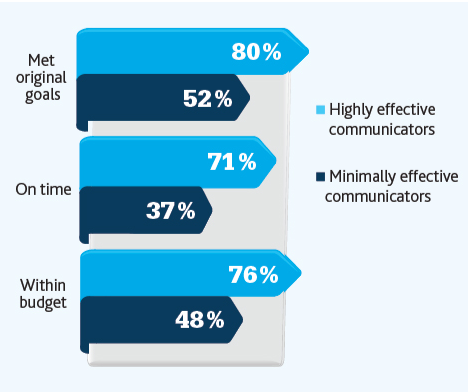
Effective communication helps successful project management in the following ways:
- Better alignment of goals and objectives.
- Enhanced collaboration
- Effective decision making and problem solving
- Improved resource management
- Reduced risks and resolving issues
- Boosting team morale and engagement
- Strengthens stakeholder relationships
But what happens when communication falters? Deadlines can be missed, team morale becomes low and frustrated, and stakeholders become unsure about the successful movement of the project. Research shows that ineffective communication is the primary cause of project failure, one-third of the time and has a negative impact on the project half of the time.
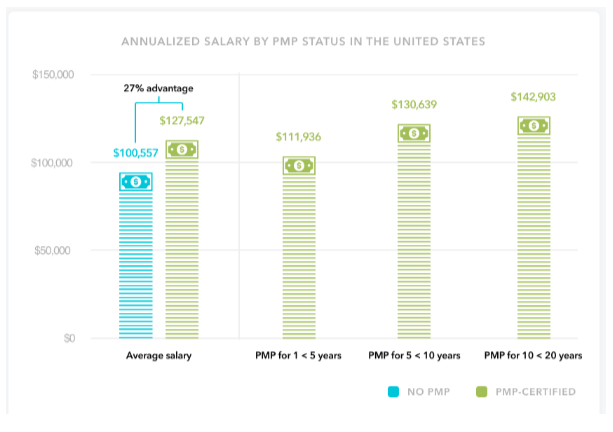
Additionally, ineffective communication also affects the cost spent on the project. Studies show that improper communication puts $75 million at risk for every $1 billion spent on the project. For the ones who are looking out to be project managers- acquiring PMP certification will enhance the skills and help in ensuring effective communication.
Hence, communication is a glue of the project which ensures that every part of the project moves seamlessly without any disruptions.
What are the Five C's of Effective Communication?
Communication in project management isn't just about sharing ideas and updates, it's also about ensuring the clear and actionable flow of ideas. This is anyways crucial as it drives the success of a project. Successful project leaders know that communication is as much about 'how' as it is about 'what'.
This is where the five C's of effective communication come into the picture, offering a structured flow of information which is not only heard but also acted upon. The five C's are: clarity, consistency, conciseness, courtesy and credibility. These components help in fostering effective communication within a project environment.
Clarity
Clarity in communication ensures that the message is delivered and understood clearly as it is intended to do. In project management, where teams often hustle between complex tasks and tight deadlines, clarity becomes a crucial component for success. Clarity ensures that the information is shared in a straightforward and unambiguous way, without leaving any room for confusions or misinterpretation. A report shows that 39% of the projects fail due to lack of clarity.
For example, a project manager mentions to the team, "finish the report soon".
Now, here for some people 'soon' might mean today, while for some it might mean the next day or for some it may be assumed to complete the report by the end of the week. The timeline for the report completion is not defined clearly, which might leave the members confused and frustrated thereby causing delays and missed deadlines.
What if the project manager says, "finish the report today by 5 PM"? Now this sounds better as the intent of the message is defined clearly.
In order to practice clarity in communication:
- Be clear and open
- Avoid jargons
- Break down complex ideas into simple ones
- Ask questions
Consistency
Another crucial component of effective communication is consistency. Consistency ensures that the communication during the project management stays stable, reliable and up to the mark without any discrepancies. This can be ensured through regular updates, aligned terminology, and standardized reporting methods. Studies show that 57% of projects fail due to communication breakdowns.
Consider this example, a team was working on a project and was receiving regular updates and insights on it. Few days later, the updates became irregular and everybody lost track of the project's movement. This can cause confusion and can lead to delays in the project. Such scenarios help gain a deeper insight as to how consistency plays a crucial role and without it the whole momentum of the project can be ruined.
In order to ensure consistency in communication:
- Establish regular check-ins through weekly emails and meetings.
- Utilize communication tools and templates to share the update in a proper structured format.
Consistency is not about creating and following rigid rules, rather it's about following a set format and creating a rhythm that builds confidence amongst the members. This also ensures smooth project execution.
Conciseness
Conciseness in communication means to effectively deliver the message and leave the details which are not required. This doesn't mean to skip the important details, or being overly brief. In the corporate world, where every minute counts, it becomes exceptionally crucial to be concise.
Concise and clear communication not only saves time but also reduces the risk of misunderstandings. Studies show that individuals spend around 2.5 hours per day on an average, by reading and responding to mails. This also ensures that the messages are straightforward, in simple language and easier to understand, leading to better decision making and fostering collaboration.
For example, a lengthy mail which covers the details about the project in three dense paragraphs filled with repeated information. The reader has to go through the whole mail. Now, on the other hand, imagine the same details shared in bullet points in a very brief manner. Both the emails are conveying the same information but in a concise manner.
To practice conciseness in communication, ensure:
- Focus on the main point and agenda of the mail.
- Use bullet points so that reading becomes easier.
- Avoid unnecessary jargon or complex sentences.
- Keep the sentences short and crisp.
Courtesy
Another important component of effective communication is courtesy. Courtesy refers to being empathetic, considerate and understanding towards the other person. It isn't only about being polite, but also respecting the other person. In project management, where there is already stress due to tight deadlines, having proper communication can significantly impact team dynamics, motivation and overall project success.
Imagine a project manager saying, "That's a terrible idea, can't you think of something better?" This can lead to demotivation, and a decline in team participation.
On the contrary, imagine the project manager saying, "This sounds great, let's explore other options as well". By this the team members can feel heard, considerate and respectful, thereby enhancing team collaboration.
Some of the crucial components of courtesy in communication include: empathy, active listening and acknowledgement.
Credibility
Credibility in communication refers to being reliable, honest, and trustworthy. This component ensures that the message comes from a credible and authentic source. Credibility inspires individuals to have confidence and gain support of both the team and the stakeholders.
Imagine a project manager who misses deadlines, and skips telling the team members about the update or delivers inconsistent information. This leads to low confidence of members in their leader, leading to disengagement and lack of cooperation. While, on the other hand, a project manager who gives all the updates and feedback, addresses challenges and helps in building reputation for reliability and trustworthiness.
Therefore, it is very crucial to have these five elements in order to have effective communication in successful project management.
Conclusion
Communication is an essential skill and in order to ensure successful project execution, one must follow the five C's of effective communication. These are clarity, consistency, conciseness, courtesy, and credibility. Each of these components play a vital role in ensuring effective communication. For successful project management and execution, master these five C's to communicate more effectively and lead with a greater purpose!
Frequently Asked Questions (FAQs)
1. Why is effective communication important?
Effective communication is crucial as it helps in aligning goals, enhances collaboration, effective decision making and problem solving, and helps in resolving issues and risks.
2. What are the five C's of effective communication?
The five C's of effective communication are: clarity, consistency, conciseness, courtesy, and credibility.
3. What are the important elements of courtesy in communication?
The elements of courtesy in communication include active listening, acknowledgement, and empathy.
Explore Our Latest
Insights

Stay updated with our recent blog posts.
Explore Our
Course Gallery

Discover a diverse range of courses designed to elevate your skills and knowledge.

