PMI's Approach to Implementing Benefits
Realization for Strategic Project Outcomes

PMI's implementing benefits realization strategy is needed for projects to meet strategic goals. This strategy guarantees that initiatives generate results that support company goals and add value.


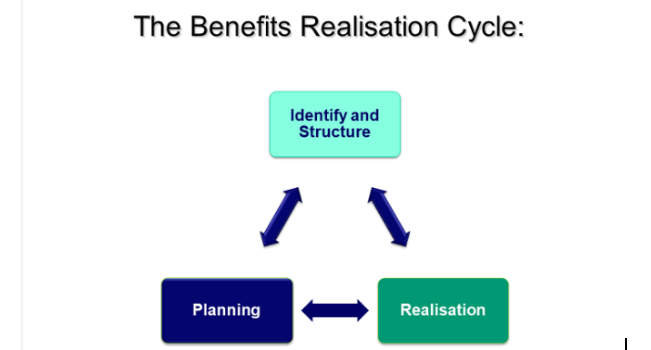
PMI's implementing benefits realization strategy is needed for projects to meet strategic goals. This strategy guarantees that initiatives generate results that support company goals and add value.
PMI focuses on benefits to bridge the gap between strategy creation and implementation, ensuring all projects support corporate goals. Businesses that wish to maximize their efforts and stay ahead in a digital business world need this alignment.
PMI also promotes responsibility and success measurement. Companies believe these tactics increase decision-making, stakeholder trust, and resource use. This comprehensive strategy helps projects meet short-term and long-term strategic goals.
Key PMI Implementing Benefits Realization Approach Elements
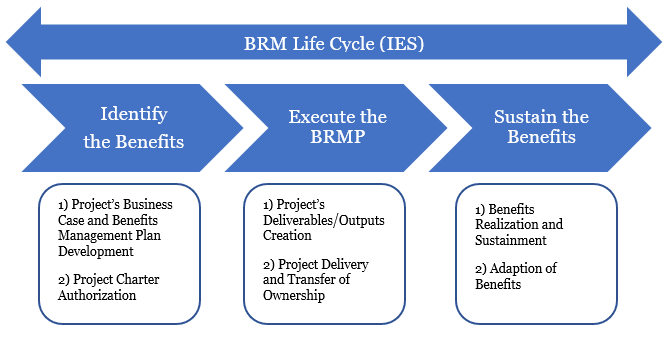
PMI achieves benefits by discovering, implementing, and sustaining them. Together, these aspects ensure initiatives have long-term value and meet goals
1. Benefit Identification
Aligning project benefits with strategy goals is part of benefit identification. To succeed, you must comprehend physical and intangible rewards.
- Cost Savings: Streamlining procedures and leveraging resources efficiently reduces business costs.
- Increased Revenue: Sell better items and reach more customers to increase revenue.
- Better Brand Reputation:Successful project completion and stakeholder satisfaction improve brand reputation.
Examining industry trends, rivals' strengths and weaknesses, and one's abilities can also yield rewards. This allows projects to be tailored to the company's current and future demands.
2. Benefit Execution
Benefit Execution is all about making sure that planned rewards are always given. In this case:
- Allocating Resources Efficiently: Using the correct resources at the proper time to get the best results from a job.
- Monitoring Project Milestones: Keeping projects on track by reviewing milestones against goals.
- Matching Deliverables to Goals: Make sure project results support goals.
Adopting agile methods can also help with benefit delivery. With agile methods, project teams can be flexible and adapt to changes without sacrificing essential deliverables.
3. Benefit Sustainability
Benefiting sustainability means keeping the long-term value of project results. Some important methods are:
- Continuous Monitoring: Looking at project results regularly to make sure they stay in line with long-term goals.
- Changing Strategies as Market Conditions Change: Changing project deliverables and methods to fit new market conditions.
- Engagement Throughout the Lifecycle: Keep stakeholders involved to ensure project outputs are relevant and get their support.
Best practices and lessons learned must also be officially recognized for long-term survival. A culture that prioritizes ongoing implementing benefits realization for all future projects needs to be created.
What Role Does Involving Stakeholders Play?
PMI's method involves stakeholders, better communication, and the inclusion of all stakeholders cause higher rates of implementing benefits realization.
1. Best Practices for Engagement
a. Find Key Stakeholders Early
It's crucial to identify project stakeholders and their impacts. Early recognition helps project managers understand stakeholder needs, ensuring project results meet strategic goals. Starting with stakeholders ensures that their concerns are considered, which reduces opposition and promotes collaboration.
Early stakeholder identification aids risk management. Understanding stakeholders' goals helps project teams predict problems and develop proactive solutions.
b. Foster Transparent Communication
Open lines of contact help keep everyone in the loop about project progress and manage expectations. Being open and honest helps people believe you and stay committed to the project. An effective project management communication plan includes, giving regular updates, progress reports, and feedback sessions is helpful.
Collaborative solutions like artificial intelligence and machine learning assist organizations in clarifying and providing real-time updates. These methods streamline communication, keeping project participants informed throughout its lifespan.
c. Match Stakeholder Expectations to Project Results
Continuous feedback and discussions ensure that project deliverables satisfy all stakeholders. This connection helps the project succeed by providing valuable and essential results to everyone involved. Including partners in the decision-making process also raises the chances of a project's success.
Managing competing goals is another part of effective stakeholder alignment. Setting up straightforward ways to communicate and reach a decision helps ensure everyone's needs are met without sacrificing the project's goals.
Integrating Benefits Realization in Project Lifecycle
When companies use this combination, integration ensures that benefits are thought about at all times, from the beginning to the end of a project.
Lifecycle Phases and Benefits
1. Initiation
During the start-up phase, it's essential to set clear benefit goals. At this point, making the project goals clear ensures that they align with strategy priorities. During initiation, it's also essential to find the key players and ensure everyone owns the benefits.
During the initiation part, feasibility studies and business case development are also done. These tasks ensure that projects can be completed and align with the company's long-term goals. They also create a solid base for achieving benefits.
2. Planning
During the planning phase, project plans are matched with the desired benefits. This includes thorough resource allocation plans, estimating timelines, and communicating with stakeholders. At this point, making a detailed plan for realizing the benefits lays the groundwork for a smooth implementation and long-term success.
During this time, detailed plans for managing risks are also made. Finding possible dangers and outlining ways to deal with them will ensure that benefits continue throughout the project's lifecycle.
3. Execution
During execution, the focus changes to tracking how the benefits are being delivered. KPIs and monitoring tools help track rewards and keep projects on track. Reviewing progress and reports for stakeholders is crucial to meeting strategic goals.
Agile project management methods, such as sprint reviews and retrospectives, help demonstrate advantages during execution. These habits allow us to improve and quickly address new problems.
4. Closure
In the closure step, you ensure the benefits are realized and will last. After something is implemented, it is reviewed to ensure the promised benefits are seen. The lessons learned are written down so that future projects reap more benefits.
Making transition plans also ensures that operating teams can continue to reap the project's benefits. This includes sessions for sharing knowledge, written materials, and support systems that allow for long-term value implementing benefits realization.
Challenges in Benefits Realization and PMI's Solutions
PMI lists problems like not being clear about benefits and not being held accountable. Some solutions are:
1. Establishing Clear Benefit Ownership
Giving someone charge of each benefit ensures everyone is responsible and that tracking is always ongoing. Benefits won't be missed because of unclear ownership, and they will stay a focus throughout the project lifecycle.
Benefits ownership also encourages accountability and gives project teams a sense of duty. Owners are better positioned to ask for the help and resources they need to get their desired benefits.
2. Using Performance Metrics for Continuous Tracking
Quantifiable KPIs help you determine the benefits and where you can improve. Project managers can make data-based choices during regular performance reviews, keeping projects on track to achieve their goals.
Setting up dashboards and real-time tracking systems provides project teams with helpful information, which they can use to make innovative changes throughout the project's lifetime.
3. Implementing Lessons Learned in Future Projects
Using what you've learned from past projects to lower risks and improve the benefits you get from future projects. A mindset of continuous improvement is created when lessons learned are recorded and used in a structured way.
Organizations that make lessons learned a permanent part of their work create project management methods that last. This ensures that the methods that work are used repeatedly and that mistakes are not made in future projects.
Measuring Success in PMI's Implementing Benefits Realization Approach
Organizations must track key realizations and must track key performance well. PMI's implementing benefits realization method is working and it found that most of the projects completed by companies using structured benefits realization models were successful.
Necessary Measures of Performance:
- Return on Investment: Return on Investment is a way to determine how much money a project has made.
- Project Delivery Timeliness: Keeps track of whether jobs are finished on time by checking the Project Delivery Timeliness.
- Cost Variance Analysis: This type of analysis examines the difference between the project's expected cost and its actual cost.
Conclusion
The way PMI handles implementing benefits realization is significant for achieving strategic project outcomes. When businesses use PMI's structured benefits realization approach, they set themselves up for long-term success by ensuring that every project helps the company grow and reach its goals. Sign up for a PMI training for benefits realization course now to master strategic project outcomes and advance your career.
Frequently Asked Questions (FAQs)
How does PMI's method ensure that key project goals are met?
According to PMI, strategic project results are guaranteed by ensuring project goals align with the organization's strategy and keeping track of benefits that can be measured.
How does PMI's implementing benefits realization method help people?
The most essential benefits are higher ROI, higher stakeholder happiness, and long-term value delivery.
How does involving stakeholders change the achievement of benefits?
Getting people involved in a project ensures that it aligns with business goals, which raises the success rate.
Table of Contents
Share This Article
Explore Our Latest
Insights

Stay updated with our recent blog posts.
Explore Our
Course Gallery

Discover a diverse range of courses designed to elevate your skills and knowledge.

