Steps to Build an Effective
Project Management Communication Plan

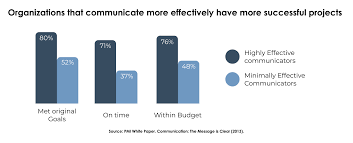
Poor communication is the reason behind one in three projects' failure. Shocking right? It is the number one reason the projects go off track. However, research shows that organizations with solid project management communication plans are almost twice as likely to finish projects on time, within budget, and hit their goals.


Table of Contents
Share This Article

Poor communication is the reason behind one in three projects' failure. Shocking right? It is the number one reason the projects go off track. However, research shows that organizations with solid project management communication plans are almost twice as likely to finish projects on time, within budget, and hit their goals.
A well-planned communication plan is one of the critical components of success. In this article, we will explore the steps that can help you create a strong project management communication plan to prevent failures and keep your project running smoothly.
So, if you want to ensure the success of your communication plan, consider exploring the detailed preparation for PMP Certifications. These certifications from the renowned institute can guide you in setting clear communication goals tailored to your project.
Define Project Objectives and Stakeholders
Without a clear goal, you are sailing without a map. Research shows that projects with defined objectives are 3.6 times more likely to succeed than those without. A good communication plan ensures that these objectives are appropriately communicated and aligned with the team members and stakeholders.
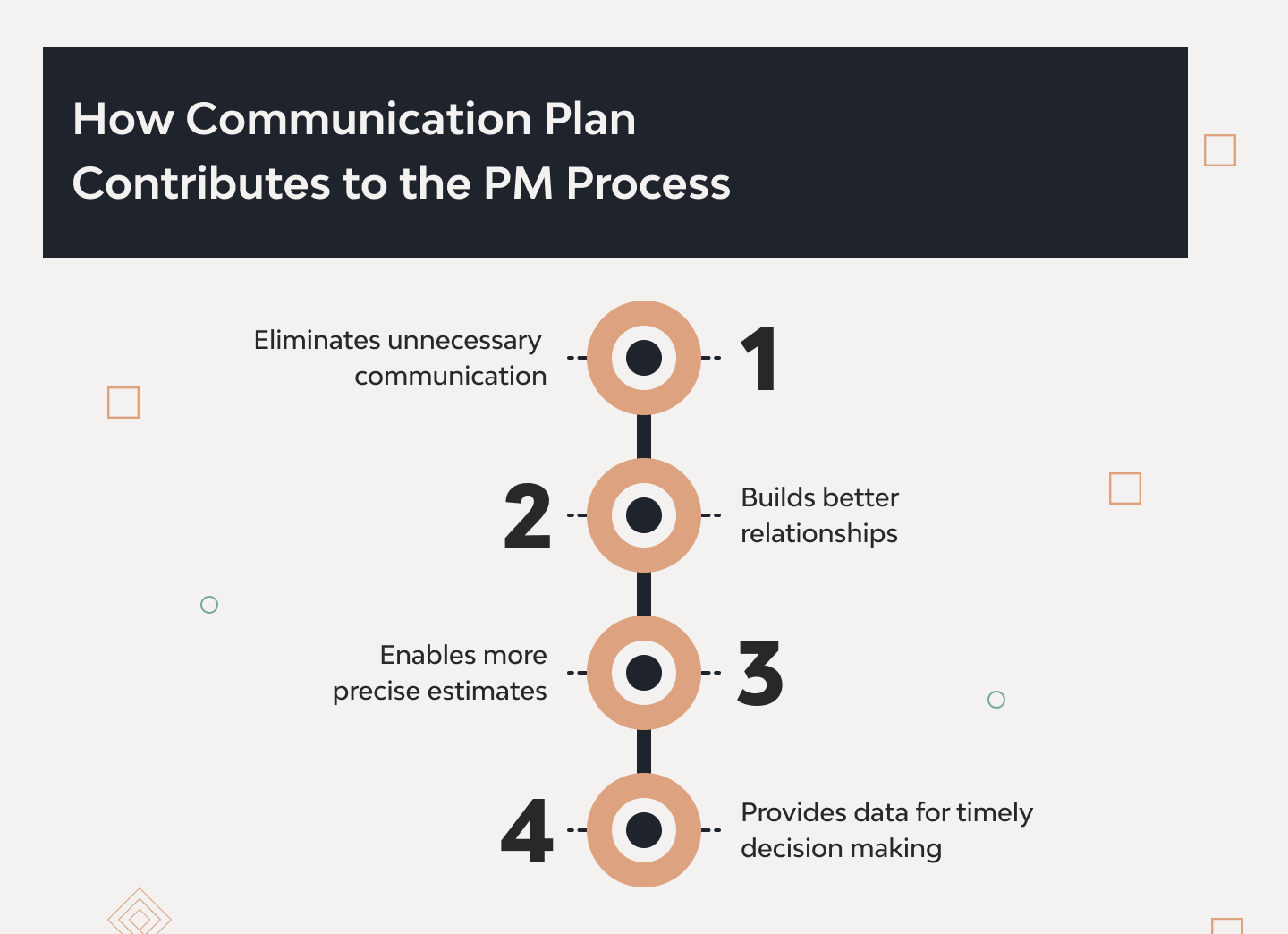
Key stakeholders must also be identified. Studies show that a lack of stakeholder engagement causes 60% of project failures. A targeted project management communication plan can help you deliver the right message to the right people at the right time. Aligning your communication management plan with project goals and stakeholder needs establishes the foundation for successful collaboration and the project. A good project management communication plan template makes this process efficient and effective.
Establish Communication Goals
The key purpose of the communication management plan is to be sure that the goals of the project are clearly stated to the right people at the right time. A well-defined project management communication plan helps the designated project team stay more aligned, which not only makes it easier for the team to overcome obstacles but also achieves success within the timeline.
Let us understand with an example where you are managing a project and an issue is faced due to vendor issues. Instead of waiting, you would inform the team and stakeholders, explaining the situation. By sharing this information early, you not only help everyone understand the situation but also allow them to make the necessary changes.
Determine Communication Needs for Each Stakeholder
It is a game changer when you understand the communication needs of each stakeholder. Therefore, a project management communication plan must be customized to suit each stakeholder's specific tastes and requirements so that the right message goes to the right people.
For example, executives may want high-level updates through formal reports, while team members need frequent, real-time communications through project management tools like Slack or email. Early identification of these needs will improve engagement and project outcomes. A communication management plan helps you not only talk to stakeholders but talk with them in the manner that will be most effective.
Assessing each stakeholder's role and preferred communication style is a good start to project communication management. It avoids miscommunication and promotes collaboration. An effective communication plan template ensures that each stakeholder gets heard and informed.
Choose Appropriate Communication Channels and Tools
Proper communication channels can make or break a project. The research shows that 77% of high-performing projects have a well-defined communication strategy, and selecting the right tools is a big part of that success. Various communication options exist, and you must choose the right ones to streamline project communication management.
Email is great for formal updates and external communication. At the same time, real-time collaboration tools such as Slack or Microsoft Teams are perfect for day-to-day conversations and problem-solving on the fly. Asana or Trello is project management software that helps track progress, assign tasks, and update project status so the team is on the same page.
A complete communication management plan details when and how to use each tool. Dramatically improving the efficiency of your project management communication plan involves making sure that the right message is delivered through the right channel. Using a template will help you set clear guidelines on channel selection so that there is no communication bottleneck in your project's success.
Define Communication Frequency and Timing
There is no such thing as too early or too late for project management communication plans. Setting precise communication frequencies is one of the elements that can be avoided. If you aren't communicating enough, problems can occur and derail the project without realizing it. However, too much communication can drown stakeholders and slow down progress.
The frequency is best based on the stakeholder's role and the project's complexity. For instance, top executives may need to be updated monthly, whereas a project team may require weekly check-ins.
Another powerful tactic is aligning communication with project milestones. This ensures stakeholders are always aware of critical junctures before making key decisions or reaching a milestone. The communication strategy should also indicate these touchpoints to maximize impact.
Establish Roles and Responsibilities in Communication
Communication plans must have clear roles and responsibilities to avoid confusion and collaboration. Communication is more efficient and transparent when everyone knows what they are responsible for and is less likely to make errors or misunderstandings.
Roles and Responsibilities of Project Managers
- Oversees the communication plan
- Ensure all messages align with the project's goals
- Make key decisions on strategies
Roles and Responsibilities of Team Leads
- Focus on specific project areas
- Provides updates on respective tasks
- Ensure the right information is communicated
A project communication management strategy's people are only as strong as its weakest link, and the more team members who contribute, the more effective the overall communication flow. Everyone has a role in the project management communication plan, whether updating stakeholders, coordinating team efforts, or ensuring everyone has the correct information at the right time. A project management communication plan template can be used to define roles and a communication structure that supports project success from the beginning to the end.
Create a Detailed Project Management Communication Plan Template
A detailed project management communication plan template is a game changer for ensuring the project is delivered smoothly and efficiently.
The first thing you need to do is to write key sections of the project management communication plan for the project management, such as communication goals, target audiences, communication methods, frequency, and responsible parties. For instance, you may choose email updates for stakeholders and Slack for team communication. Escalation procedures for urgent issues should also be included in the communication management plan so that there is a clear path to address any potential roadblocks.
A communication plan template saves time since you do not have to reinvent the wheel, and consistency is ensured in how the information is shared.
Monitor and Adjust the Communication Plan
Any successful project will have risk management as a critical aspect, and a good project management communication plan is essential to managing those risks. In truth, 39% of projects fail because of unforeseen issues that could have been mitigated with better communication. A well-developed communication management plan identifies the project risks early, communicates them clearly, and proactively addresses them.
A project communication management strategy is focused on the communication of risks to the right stakeholders at the right time to facilitate quick action. Regular risk assessments with transparent reporting of risk status allow teams to respond quickly and efficiently. A project management communication plan can integrate contingency in your communication framework.
If you are still working on perfecting your project communication management, click here to watch the YouTube video to better understand the difference between project communication and information management.
Role of team building in managing complex projects.
Conclusion
Without a well-crafted project management communication plan, any project execution is bound to be unsuccessful. Projects go off the rails because there's no clear, consistent communication between the team and the stakeholders. Having a project management communication plan will help you avoid the risk of getting information crossed between all parties and ensure that the information flows smoothly.
Every project is different. The size of the team, the complexity of the task, or the stakeholder expectations mean your plan should be flexible enough to get the right message to the right person at the right time.
Frequently Asked Questions (FAQs)
What is the point of a project management communication plan?
A project management communication plan includes transparent and consistent information sharing, including who gets what and when. It prevents misunderstandings, helps with quick decisions, and keeps people in line.
What communication tools do I choose?
Depending on the project's complexity and needs, choose appropriate tools. Use email for formal communication, Asana for task updates, and Slack for daily interactions.
Is there a way to prevent delays using a project management communication plan?
It minimizes delays by sharing timely, relevant information, providing regular updates, and avoiding bottlenecks and miscommunication.
Explore Our Latest
Insights

Stay updated with our recent blog posts.
Explore Our
Course Gallery

Discover a diverse range of courses designed to elevate your skills and knowledge.

