Project Success: Mastering The Positive, Appropriate, and
Negative Complexity Model

In the field of project management, it is important to learn about Positive, Appropriate, and Negative Complexity Model. As we know, success of a project is not a one-size-fits-all formula.


Table of Contents
Share This Article

In the field of project management, it is important to learn about Positive, Appropriate, and Negative Complexity Model. As we know, success of a project is not a one-size-fits-all formula. Project success can be more complicated than meeting deadlines or staying on budget. Every project is unique, with its own challenges, expectations, and outcomes. The traditional metrics somewhere lack to provide a larger view about the factors needed for a project success.
You may meet deadlines or budget of the project, but may fail to meet the needs of people involved or create lasting value. One model that has gained attention for its ability to provide clarity in project management is the PANC Model. This complexity model offers a new and wider view of what makes a project successful.
This blog will cover the understanding about this complexity model, its components and achieving the success of projects with new perspectives.
Managing Project Complexity With Project Artifacts For Better Decision Making
Understanding Project Complexity
Projects are complex tasks by nature. They require team coordination, resource blend, and solid planning. But, the project complexity can come in any form. Some complexities can improve the project's results but others can hinder its success.
Traditional project management focuses on defining success by clear-cut measures like time, cost and scope. These factors are important but might not reflect the real view about the project complexities. The Positive, Appropriate, and Negative Complexity model introduces a more expressive approach by considering how different types of complexities interact with the overall success of the project.
Elements of the PAN Complexity Model
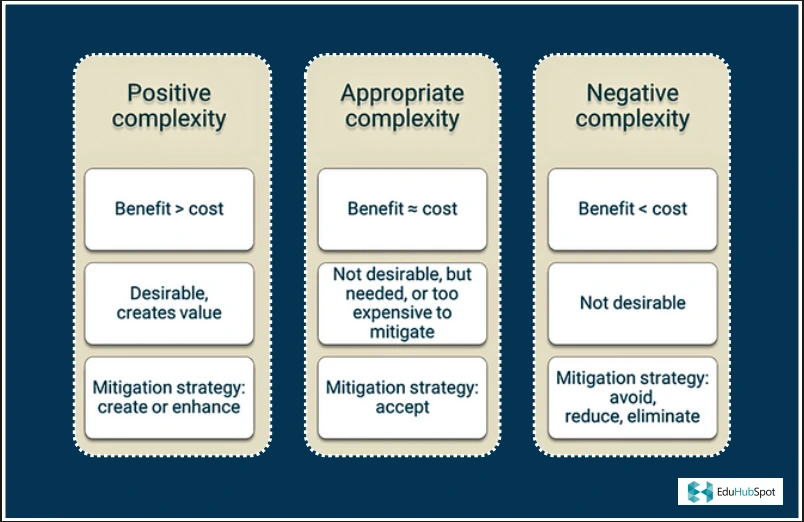
1. Positive Complexity
This is the first element included in the Positive, Appropriate, and Negative Complexity complexity model which means the degree of complexity that uplifts the project's value and its final outcome. These are challenging complexities but can lead to greater creativity, innovation and solving problems. Positive complexity usually brings situations that force teams to think out of the box, overcome obstacles and manage the changing conditions.
How to implement positive complexity?
- You can focus on creative problem-solving among teams.
- Frame challenges as opportunities for innovation.
- Project managers must encourage the importance of leadership and team building activities for project success.
2. Appropriate Complexity
This element in Positive, Appropriate, and Negative Complexity aligns with the project's goals, scope, and resources. This is the ideal situation when complexity does not overburden the project, but increases the chances of project success. To beat the different levels of complexity, you need to focus on balancing the project's objectives and the degree of complexity needed to achieve outcomes.
An appropriate level of complexity ensures that the project is not under-managed (leading to inefficiency and missed opportunities) or too well-managed (leading to breakouts or unusual problems). The managers must learn the project management skills and analyze the project requirements to ensure the required complexity for expected results.
How to maintain appropriate complexity?
- You must check if the project's complexity aligns with its goals.
- The managers must review project's complexity timely.
- You can use frameworks and project management tools to manage complexity.
3. Negative Complexity
This complexity can hinder the progress and success of a project. This complexity can cause inefficiency and unusual obstacles, leading to cost overruns, delays and even failure. Such project complexities can result from ineffective planning, miscommunication or internal disturbances in the teams.
Negative complexity can come as a result of introducing complexity with no motive, or getting so overwhelming that it impedes the primary goals of the project. The project managers must focus on finding and reducing negative complexity to keep project efficiency high and avoid costly errors.
How to minimize appropriate complexity?
- You must plan to develop clear communication with an effective project management communication plan.
- Prefer using project management software to track goals and milestones.
- Conduct examinations of processes to identify inefficiencies.
Role of Team Building In Managing Complex Projects
Applying The Positive, Appropriate, and Negative Complexity Model
1. Initial Assessment
This is the first step in applying this complexity model- understand the type of complexity present in a project or review the expected complexity. By identifying possible positive, appropriate and negative challenges, you’ll be able to prepare the team for the project in advance.
2. Planning
After you understand the complexities involved, decide a way to manage. This involves deciding innovative processes or concepts to ensure that the complexity aligns to the project goals. You must implement positive complexity to bring innovation, maintain appropriate complexity to meet the project’s needs and minimize negative complexity for effective management practices.
3. Execution
The next step to apply Positive, Appropriate, and Negative Complexity includes monitoring the complexity levels and making necessary adjustments for the progress. When a project shows signs of negative complexity, like delays or shifting from goals, you must take actions to improve the process and get back to the original objectives.
4. Reflection and Evaluation
You must evaluate the complexity of the project in retrospect, once the project gets completed. This involves determining where complexity contributed value or was necessary and what caused difficulties. You must use these findings to get an idea about the future of your projects.
Conclusion
You get an entire perspective to evaluate the success of a project with the Positive, Appropriate, and Negative Complexity Model. You can recognize various kinds of complexities in your project's progress and take informed management actions. This is an unbiased perspective of success that serves more than conventional metrics and also focuses on potential and risks of every project. Applying this complexity model to your project management will get you new levels of creativity and efficiency, driving long-term success.
So, if you want to learn the new perspective on project success, consider taking PMP study packages and achieve your project goals.
Frequently Asked Questions (FAQs)
Can the Positive, Appropriate, and Negative Complexity Model be applied to any project?
Yes. This model is versatile and you can apply this to different types of projects - construction, software development, marketing and more.
Does the Positive, Appropriate, and Negative Complexity Model improve team performance?
This model helps teams by giving them a better knowledge of different issues that may come across their way during this project. This allows teams to concentrate on problem solving and be innovative and creative.
What differs Positive, Appropriate, and Negative Complexity Model from other project management frameworks?
The traditional project management models focus majorly on timelines, budgets, and resources. The PAN Complexity Model emphasizes the psychological and strategic aspect of complexity in projects.
Explore Our Latest
Insights

Stay updated with our recent blog posts.
Explore Our
Course Gallery

Discover a diverse range of courses designed to elevate your skills and knowledge.

