Why Project Production
Principles are used?

Organizations can use project production principles to bridge the gap between operations and Project Production Management. They can use strategies like clear communication channels, performance metrics, and a focus on continuous improvement to ensure that projects fit in with ongoing operations while still meeting their specific goals and deliverables.


Table of Contents
Share This Article
Organizations can use project production principles to bridge the gap between operations and Project Production Management. They can use strategies like clear communication channels, performance metrics, and a focus on continuous improvement to ensure that projects fit in with ongoing operations while still meeting their specific goals and deliverables.
The Project Production Principles (PPP) technique has gained popularity recently. These concepts align operations and project management by bringing essential parts of production management into project execution. In this way, PPP ensures that both teams work well together, leading to better results.
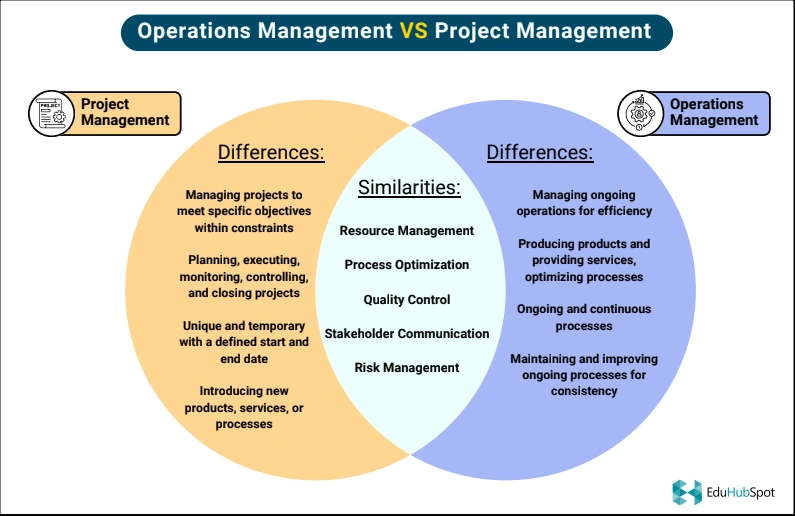
Operations ensures daily chores go efficiently, while project management meets project goals within budgets and timelines. However, operations management and project management usually work separately. This causes misalignment when operational needs conflict with project goals or resource shortages hinder project progress.
A PMP certification can help project managers bridge the gap between operations and project management by teaching them smart strategies for project growth.
The Essence of Project Production Principles
Project production principles leverage Project Production Management techniques to optimize procedures throughout a project's lifecycle. The goal is to increase output, minimize bottlenecks, and streamline project management and operations. PPP fixes traditional project management by focusing on workflow, resources, and delays.
At its core, PPP stresses the need for capacity management, ensuring that resources are used well throughout the project. PPP also encourages people to look for ways to improve and make things better. This strategy helps firms manage workflow, which speeds up project transitions and reduces delays.
Improving Project Execution with PPP
PPP solves challenges caused by operational and project management miscommunication, making projects easier. Projects often involve planning, designing, executing, and delivering. If poorly coordinated, delays in one process can affect the next. PPP wants to smooth this process by focusing on a steady workflow.
Meeting targets and milestones is a big part of traditional Project Production Management, but this method doesn't always consider how it will affect activities. This cuts down on delays caused by waiting for resources or approvals. This method also makes schedules more reliable, a big plus for the management and project teams.
PPP makes tracking project progress at all phases easier, which is excellent. Teams can address delays and issues before they worsen. When PPP matches operations and project management, tasks can be handed off between departments or teams more quickly, making the whole process more efficient.
The Importance of Communication and Collaboration
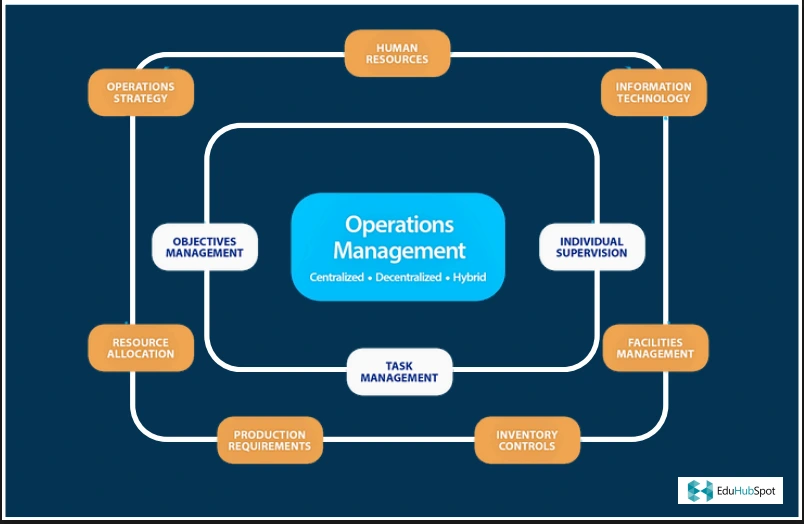
Lack of contact is one of the main problems that needs to be fixed between operations and project management. The two functions often work on different schedules and objectives, confusing them. Good communication is even more critical when working on a complex project with multiple teams on different parts simultaneously.
Using PPP principles ensures that everyone on both sides knows the project's goals, deadlines, and problems. This method promotes teamwork and reduces conflict. For instance, project managers might inform operations teams of timetable changes that influence resources or timelines.
Project managers can receive progress updates from operations teams. Both teams can respond to changes more quickly when they talk to each other and share information regularly, making the project run more smoothly.
When added, PPP also promotes a mindset of working together instead of competing. Teams that work on operations no longer consider themselves separate from those who run projects. Instead, both teams collaborate to achieve project goals, which improves project success. When teams work together, they can make decisions and solve problems faster because they understand each other.
Resource Optimization and Capacity Management
One of the main benefits of using PPP principles is that they help better handle resources and capacity. In standard project management, resources may be assigned in a way that makes them too or too little worthwhile. Without proper planning, some resources may remain underutilized while others are overburdened, leading to inefficiencies and project delays.
PPP ensures that resources are always matched up with the project's needs. It helps project managers and operations teams find possible capacity problems early on by monitoring how resources are constantly being used. This proactive approach allows for timely resource additions or project timeline adjustments to meet operational restrictions.
When a project needs management tools or certain machines, PPP certification ensures their availability. By decreasing resource delays, PPP improves project performance and reduces waste by preventing resources from being squandered on unnecessary tasks.
Lean Principles for Continuous Improvement
In real life, applying lean principles could mean eliminating unnecessary steps, automating some jobs, or finding ways to improve communication. These small changes speed up project completion and ensure that the project fits within the available resources. This leads to better results, lower costs, and more total efficiency in the long run.
PPP also supports feedback loops throughout a project's lifecycle. Teams can change their methods and workflows to deal with new problems because they get feedback constantly. By improving their processes repeatedly, teams can deliver better projects while keeping costs and schedules as low as possible.
Impact on Project Timelines and Budgets
When employed in project management, PPP drastically impacts costs and timelines. Project management is complex because goals must be met within budget. Traditional project management methods can miss resource and process boundaries, causing expenses to exceed budget and schedules to be missed.
PPP addresses this by stressing the importance of constantly controlling capacity and monitoring progress. Well-used resources reduce delays and keep projects on budget. PPP focuses on a smooth workflow, which cuts down on wait times and uses resources best. This makes it easier to predict how the job will go and lowers the risk of going over budget.
PPP also promotes a complete method of project management that considers the project's long-term viability. By ensuring that the operating and project management teams work together, PPP lowers the chance of unexpected costs and a lack of resources. The outcome is a more stable and cost-effective project performance.
Sustainability and Long-Term Performance
PPP isn't just about getting jobs done; it's also about sustainability and long-term performance. When Project Production Management and operations are in sync, projects are more likely to work well with an organization's regular tasks. This ensures that the project's effects last even after it's over.
In building or manufacturing projects, for instance, PPP helps ensure that the systems set up during the project phase will last a long time. By matching project goals with operational skills, PPP ensures that the finished product or system is easy to keep up to date and changes as needed.
The part of PPP that talks about continuous improvement also lets companies create a culture of long-term success. Teams that follow lean principles and improve processes make the company stronger and more effective. This alignment benefits both the project and the company in the long run.
Conclusion
Organizations can effectively integrate operations and project management by implementing Project Production Principles (PPP), leading to enhanced efficiency, reduced delays, and sustainable project success.
Frequently Asked Questions (FAQs)
What are Project Production Principles (PPP)?
The Project Production Principles (PPP) bring ideas from production management into project management to make the best use of resources, capacity, and processes throughout the lifecycle of a project. The goal of PPP is to cut down on delays, boost efficiency, and connect project management and operations.
How does PPP benefit Project Production Management?
PPP lowers the number of bottlenecks, facilitates resource assignment, and enhances communication. Emphasizing lean concepts, capacity management, and ongoing development helps to ensure that projects run on schedule and under budget.
Can PPP improve operations and project alignment?
Yes, PPP encourages teams from operations and Project Production Management to work together. This helps them match their objectives, maximize available resources, and raise general project performance. Long-term success and more expected outcomes follow.
Explore Our Latest
Insights

Stay updated with our recent blog posts.
Explore Our
Course Gallery

Discover a diverse range of courses designed to elevate your skills and knowledge.

