Project Production Management:
Benefits, Stages & Resource Flow

How do some projects run like well-oiled machines while others face endless delays and budget overruns? The secret lies in Project Production Management, a systematic approach that optimizes resource flow from concept to completion.


Table of Contents
Share This Article
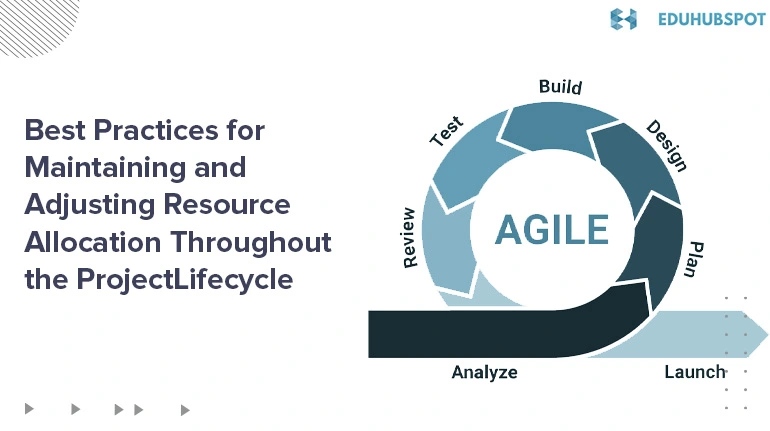
Resource scheduling, or the planning of necessary tasks and the resources needed to complete them, is fundamentally dependent on resource allocation. Resource allocation includes figuring out the resources' availability and scheduling them to fit your project's timeline.
Resource Allocation: What Is It?
Resource allocation is the process of distributing the best resources to projects and activities. To prevent under or overutilization of resources, the workload is managed through effective resource management. Based on project timetables and the present state of resource availability, this enables personnel to be reassigned as necessary.
Resources Allocated to a Project
Effective utilization of resources is a critical aspect of project management, and resource allocation is a crucial technique that helps you make the most of resources available for a project. It is an essential part of resource planning and is implemented as a short-term strategy to achieve long-term objectives in project management.
Recognize Your Scope
Establish the project's objectives, tasks, and scope before anything else. Once the project's scope has been determined, you may estimate the resources you will need and how many are required to complete the project. Determining how to divide resources will be made simpler by a more defined project scope.
Evaluate Resources

You must now gather your supplies. Establish who is available, what tools are required, and the location where the project's duties will be carried out. Additionally, confirm that the location is free.
Before assigning the resources, first, acquire them. Create a list using the aforementioned criteria, and make sure it is within the authorized spending limit.
Avoid delaying because resources will inevitably need to be reallocated
Spend some effort during the planning stage determining whether and when there might be blocked team members or task dependencies.
Create a resource plan and pay attention to these red flags. Plan your response to them so that you are prepared to handle them when they arise.
Have a global perspective
Remember to monitor the project's development, but more importantly, be informed regarding the condition of your resources. For instance, what is the team's timetable, do any of them take vacations, how long is the equipment or project site's lease, etc.? These are important factors to take into account while allocating resources.
Identify Your Resource Dependencies

When a project is being carried out, resource bottlenecks can prevent you from using them when you need them most. Furthermore, it prevents your resources from running out. Keep your plans from becoming overly reliant on a single resource by having a backup plan prepared to prevent complications in the future.
Track Time
Watch the schedule, how well your team is doing, and how productive they are. To prevent delays, it is your responsibility as the project manager to keep track of your team's workload. This calls for the use of the proper tools to deliver real-time data that is captured on a single page and that you can view and schedule in advance as necessary.
Utilize Tools
To more efficiently manage your resources, use project management software. Using an online application, you may rapidly change project data. A calendar that can show whether your resources are on task, off task, ill, or on vacation lets you monitor how they are allocated throughout the day. Rearranging the schedule can be done quite easily to help out overworked teammates.
Avoid over-allocating
Managers frequently over-allocate, which increases the risk of team burnout rather than completing projects on schedule and under budget. It is unfair to put your resources under so much stress that they fail. Review the resource plan again, then apply it to the distribution of your project's resources.
Be Practical
Even while it is a good idea to be ready for potential issues, try to avoid distorting the project estimate by adding excessive amounts of time or resources to the plan. It might undermine how well long-term planning works. Do not forget to contrast the estimated and real usage. It helps to keep you assigned properly, which is useful. For a precise assessment of the project's progress, a tool is required.
Establish Routines
Establish recurring check-ins to assess your resources, confirm the project management software, and make sure nobody is overworked for the following week. Talk to your coworkers to get a sense of what's going on in the trenches of the project and find out if they have any worries.
Understand Your Resources
Every resource that you have entrusted or allocated to help with the project should have the experience, abilities, and personality that you require. Knowing the resources can help you organize them in future projects and assign the jobs they can complete most effectively.
Benefits of Allocating Resources
Allocating resources keeps projects on schedule, prevents resource burnout, and preserves quality assurance. The key advantages of resource allocation are listed below.
Collaboration
The distribution of resources fosters teamwork and communication. A resource allocation strategy makes it easier to keep stakeholders informed about the status of strategic goals.
Efficiency
Teams that have access to resources are better able to finish tasks on schedule and devote only the resources necessary to each objective. A sound plan helps project teams avoid mistakes brought on by incompatible dependencies.
Team Spirit
The distribution of resources increases team morale and employee participation. It enables a more equitable division of tasks, preventing overwork among coworkers. When team members' well-being improves, they have greater capacity and authority to take on additional work, which can raise productivity.
Cost cutting
Effective resource allocation can result in significant cost savings because it encourages efficiency, reduces waste, and prevents expensive mistakes, setbacks, and delays.
Issues with Resource Allocation
The following are some difficulties that resource allocation may present.
Resources Are Limited
Frequently, more resources are needed to finish the project plan's tasks. Some resources might only be partially accessible for the duration of the project. Project resources could initially be available but become unavailable as the project moves forward in specific circumstances.
Manpower Shortages
The project can suffer if particular abilities are in short supply. There might be a need for additional hiring or training that wasn't planned for in the project timeframe.
Overuse of Resources
Additionally, excessive allocation might lower output and effectiveness. If more resources are allocated to a task than are necessary, employees risk being overburdened.
Visibility
Project managers may fail to distribute the necessary resources where they are needed as a result of poor insight into the project's development. It could also make it more difficult for a business to predict the needs of the next projects, leading to incorrect resource allocation in the future.
Miscommunication
Poor communication among teammates or between teams can result in several problems. The customer could not be aware of all project requirements as a consequence of poor communication between the sales and delivery teams, which could lead to deliveries that fall short of client expectations.
Ineffective technology
Traditional techniques might not provide adequate real-time data for monitoring, such as spreadsheet software. There could be an overallocation of resources or missed opportunities as project requirements change.
How Should Resource Allocation Issues Be Handled?
Here are some typical difficulties that project managers run with, along with solutions.
Changes to the Project's Scope
Even with the best resource allocation plan, scope creep is still a possibility. Make sure project scopes and objectives are well specified to prevent it. Make sure there is a system in place that enables staff to approve changes.
To gauge improvement, keep an eye on the team's performance. To advance more quickly, make use of all of your resources. Possess a scope-change mechanism to enable fast adaptation and rerouting.
Resources Suddenly Run Out
Resources may not be accessible due to unforeseen situations. As soon as you can, find a substitute from your resource pool. If no one with the required skills is available, the best option might be to hire a freelancer or contractor. To prevent this problem, look into job dependencies and create a backup plan.
Shared Resources Are Necessary
Small businesses frequently use the same resources across projects, which can cause bottlenecks. Utilize resource allocation software to foresee shortfalls. Keep an eye on your co-workers' responsibilities as they switch across departments. The best method for avoiding weariness and resource overuse is this one.
Unexpected delays
Preventing unforeseen delays is the best course of action. You can do this by allocating jobs based on skill. Don't overwhelm the crew with too many additional priorities. Give employees flexible hours. Establish project deadlines, break them down into phases, and monitor development. Create a plan for the organized and clear distribution of resources.
Conclusion
Resource allocation is sometimes neglected by project managers. The manager's ability to identify and make use of each team member's unique skill set and manage their availability will determine how effectively resources are distributed, whether you have a team of two or 200. With effective resource management and the appropriate tools, it is simpler to maintain team efficiency and complete projects successfully.
Frequently Asked Questions (FAQs)
What does resource allocation serve?
Resource allocation serves to arrange resources in advance and to give information about the project team's development.
Who decides how to allocate resources?
Resource management is often the responsibility of project managers. Based on their skills, they find resources and assign them to tasks.
Explore Our Latest
Insights

Stay updated with our recent blog posts.
Explore Our
Course Gallery

Discover a diverse range of courses designed to elevate your skills and knowledge.

